

Salumi: the quintessence of italian charcuterie
Salumi are an integral part of Italian gastronomic culture, embodying centuries-old craftsmanship passed down from generation to generation. This term encompasses an impressive variety of cured meats, ranging from aged hams to dry-cured sausages, as well as cooked and smoked meats—each with its own regional identity and artisanal character. Behind every slice of prosciutto, every round of salame, and every piece of bresaola lies a deep-rooted tradition and an unwavering commitment to quality and authenticity.
With its diverse terroirs and time-honored artisanal methods, Italy has established its salumi among the most refined in the world. From north to south, each region boasts its own specialties, shaped by local resources and carefully perfected techniques. These cured meats are far more than simple meat products; they reflect a way of life, a symbol of conviviality, and a central element of Italian dining—whether served as antipasti to share, used as pizza toppings, or incorporated into flavorful pasta dishes.
A centuries-old culinary tradition
The history of salumi dates back to Ancient Rome, when meat preservation was a necessity. The Romans perfected the art of salting and drying, giving rise to cured meats that have endured for centuries without losing their essence. To this day, these techniques remain largely unchanged, respecting artisanal processes in which time plays a fundamental role.
Prosciutto crudo is undoubtedly the most emblematic example of this tradition.
Aged for several months—or even several years for renowned varieties such as Prosciutto di Parma or Prosciutto di San Daniele—this dry-cured ham develops a melt-in-the-mouth texture and a delicate, slightly sweet flavor. Alongside it, prosciutto cotto, a cooked and more tender version, offers a refined alternative that pairs beautifully with cheese and fresh bread.
Salame, meanwhile, comes in countless variations depending on the meats and spices used. Salame Milano, with its fine texture and subtle flavor, is among the most popular, while the more robust Salame Napoli reveals spicy notes that make it a staple on charcuterie boards. Certain salamis, such as Calabrian soppressata, deliver a bold, peppery intensity that appeals to lovers of more assertive flavors.
Salumi and their place
in Italian cuisine
Salumi are not only enjoyed on their own; they are also essential components of many traditional Italian dishes. As antipasti, they are often served alongside aged cheeses, marinated olives, and artisanal bread, allowing their full aromatic richness to be appreciated.
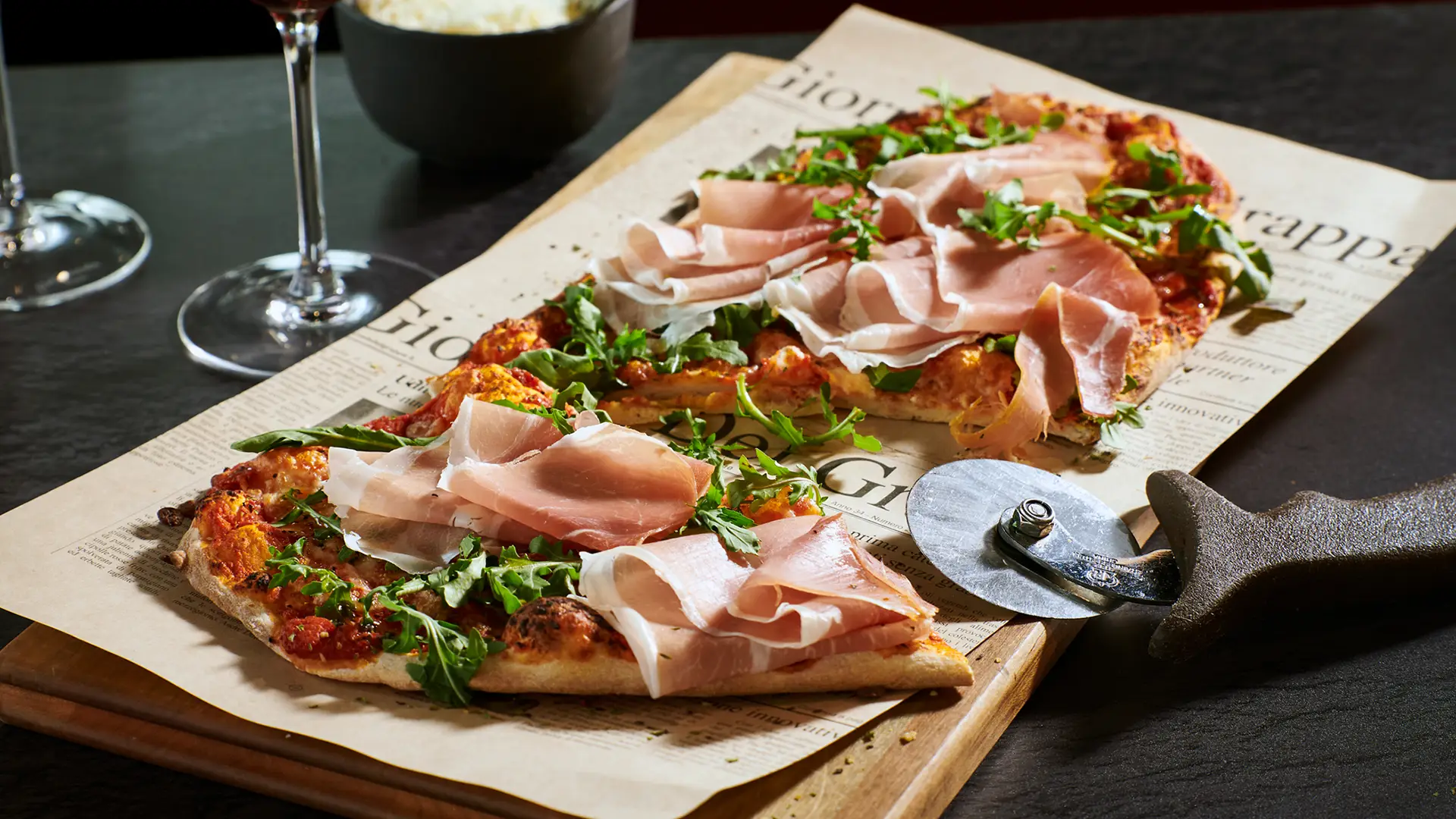
On pizzas, certain types of salumi bring unmatched depth of flavor. Pepperoni, a spicy variety of salami, is widely used for its bold taste and crispy texture once baked. Prosciutto, on the other hand, is typically added after baking to preserve its delicate texture and silky flavor.
In pasta dishes, guanciale is a key ingredient in the famous carbonara, where its melting fat gives the sauce its velvety texture. Speck, a lightly smoked ham from South Tyrol, is also featured in pasta and risotto recipes, adding subtle woodsy and spicy notes.
Italian gourmet sandwiches would not be the same without salumi. Mortadella from Bologna—a delicately seasoned cooked sausage—is often served with ciabatta bread and pecorino cheese. Bresaola, a dry-cured beef specialty from Lombardy, is commonly enjoyed as a carpaccio, paired with arugula, shaved Parmesan, and a squeeze of fresh lemon.
Salumi at PACINI: an authentic experience
At PACINI, salumi are celebrated through dishes that capture the soul of Italian cuisine.
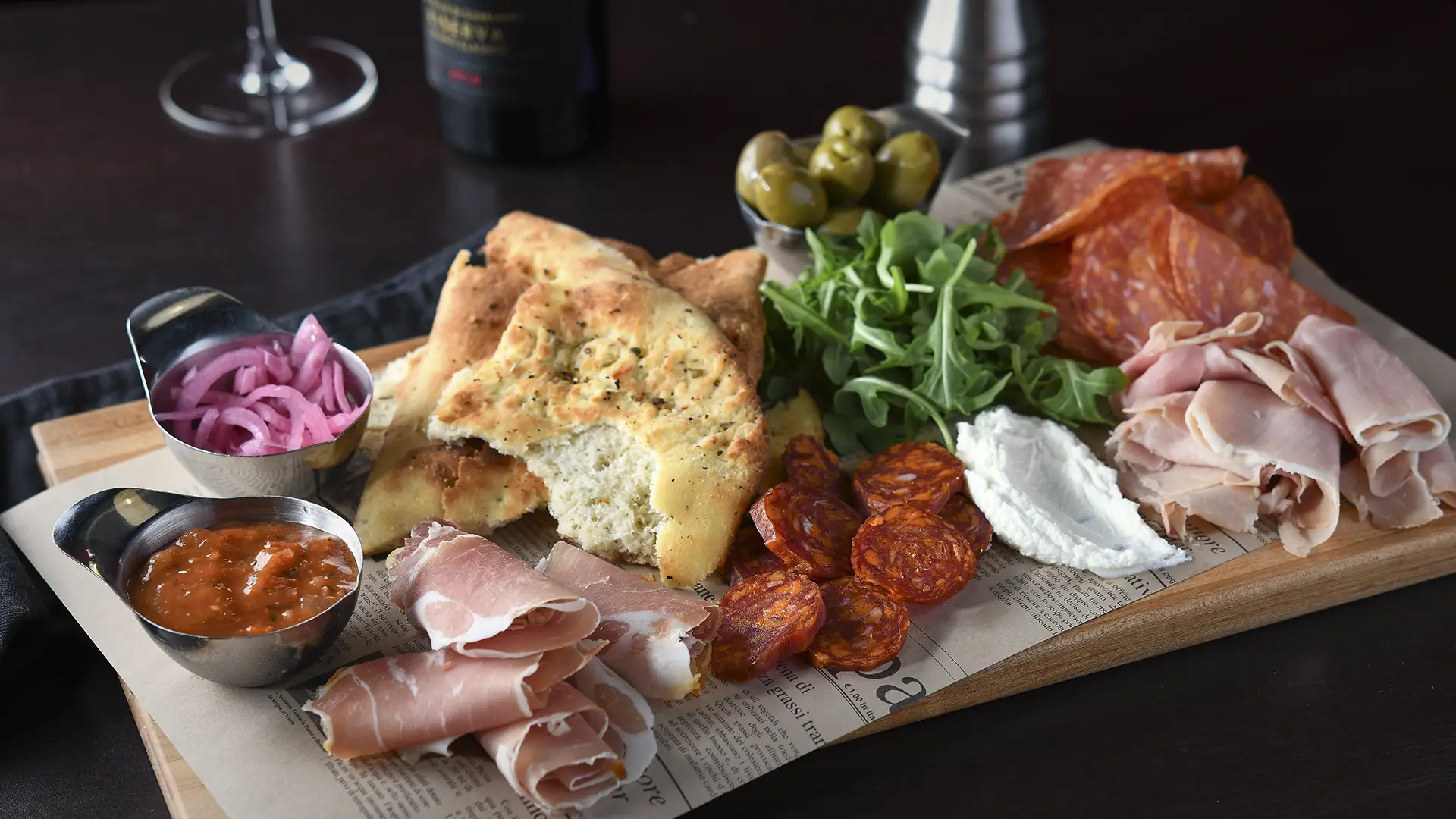
- Charcuterie board to share: a selection of cured meats including prosciutto, prosciutto cotto, Genoa salami, and Napoli dry sausage, served with goat cheese spread, bruschetta, and herb-infused pizza dough.
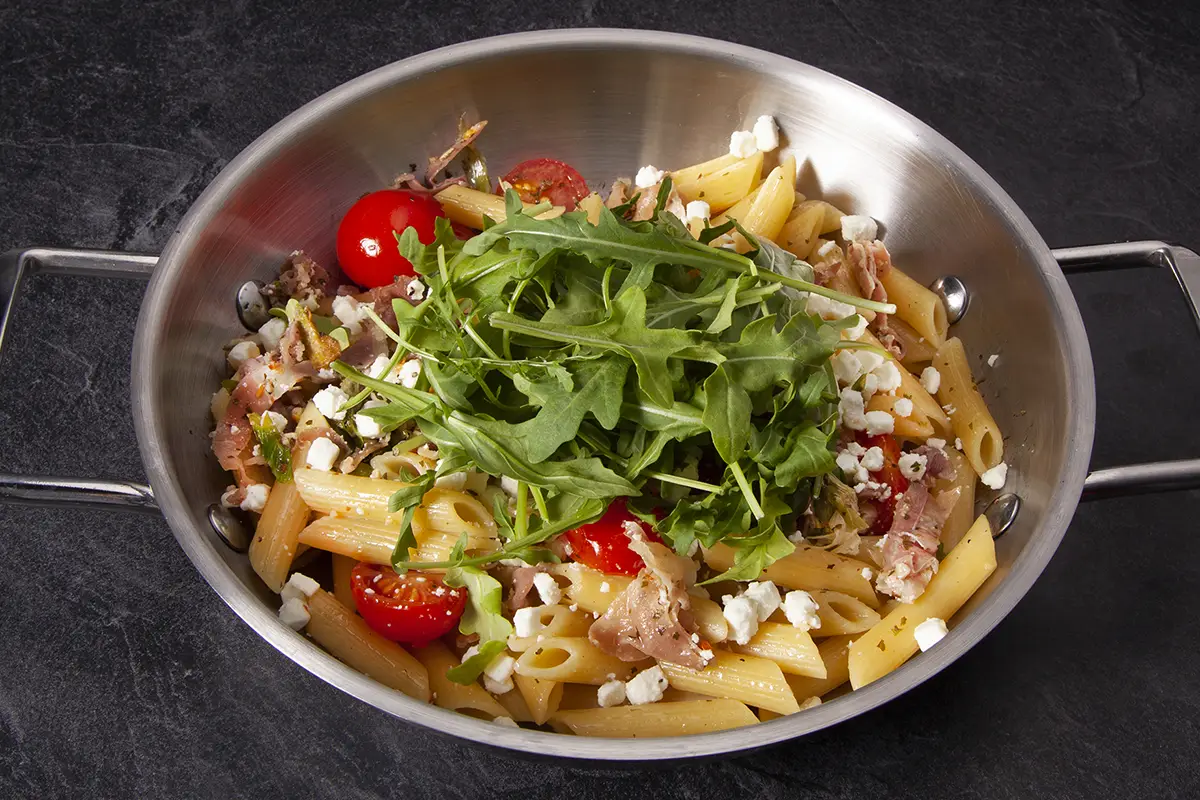
- Penne with prosciutto and arugula: generous pasta combining the delicate flavor of prosciutto with the freshness of arugula.
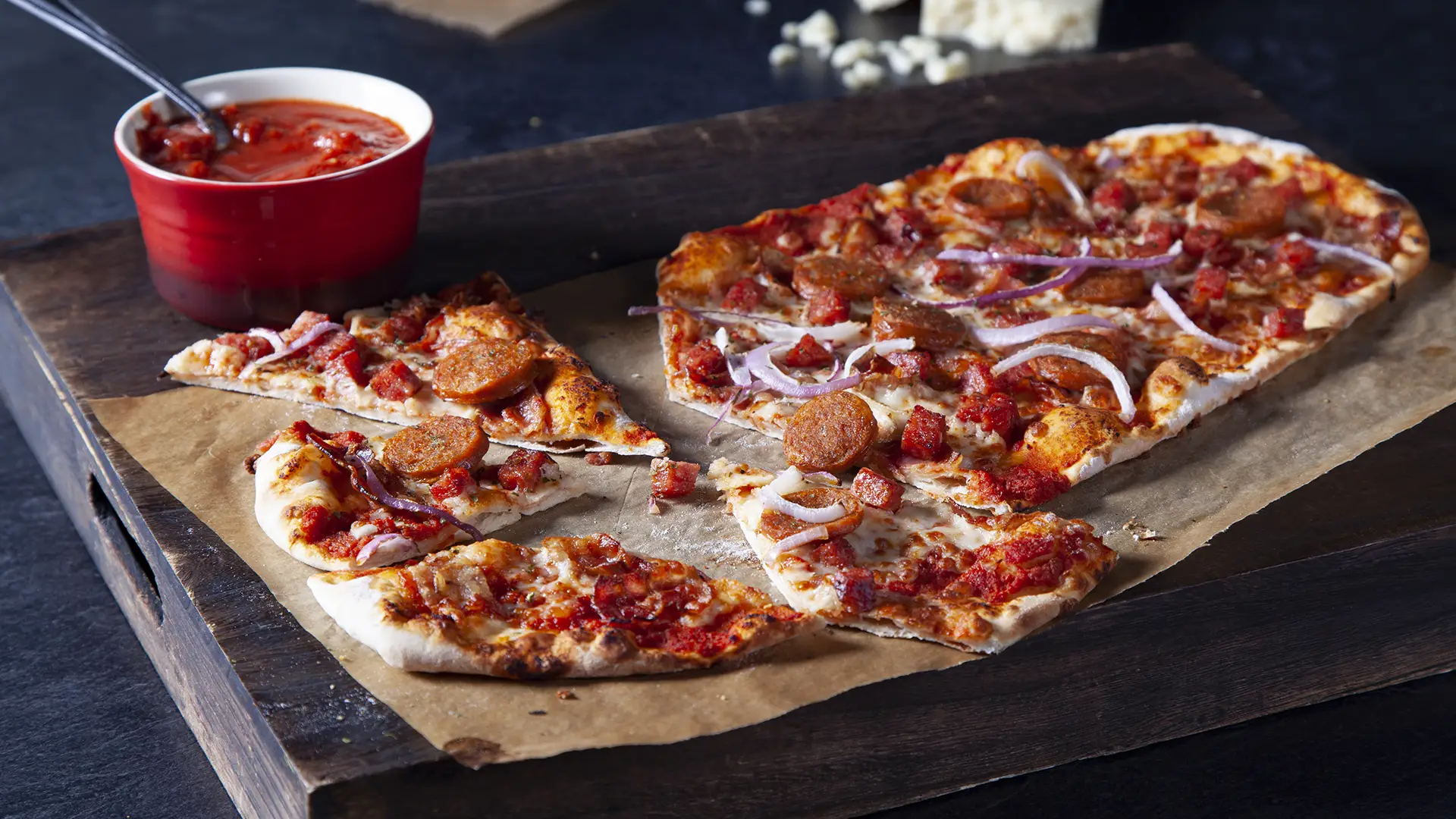
- Meat pizza: topped with Italian sausage, pepperoni, bacon, onion, and mozzarella cheese for an indulgent experience.
- Capricciosa & Mozzafila™ pizza: a refined interpretation of the iconic Italian pizza, showcasing rich and perfectly balanced flavors.
These dishes highlight the diversity and quality of salumi, offering an authentic and flavorful culinary experience.
Add sparkle to your moments with a glass of Prosecco
Fresh, fruity, and delicately effervescent, Prosecco is ideal as an aperitif or to accompany antipasti and desserts—a festive touch, Italian-style.

Charcuterie that captivates food lovers around the world
Salumi are far more than a simple component of Italian cuisine—they are a true institution. Each region, each town, and sometimes even each family has its own recipes and aging methods, resulting in extraordinary diversity.
While the reputation of salumi first flourished in Italy, it quickly spread across the globe. Today, food enthusiasts seek out these exceptional products for their authentic flavors and their ability to elevate any dish.
Whether paired with a full-bodied red wine, used to enhance an artisanal pizza, or incorporated into a pasta dish, salumi add a distinctive dimension to Italian cooking. Their combination with high-quality ingredients—such as Parmigiano Reggiano or extra virgin olive oil—creates truly unforgettable tasting experiences.
Food and wine pairings
Salumi pair beautifully with Italian red wines featuring supple tannins and fruity aromas. A Chianti Classico, such as Ruffino Chianti, or a Valpolicella Ripasso like Tommasi Ripasso, enhances a charcuterie board. For a sparkling option, a Lambrusco—such as Cleto Chiarli Lambrusco—balances richness with freshness. A Pinot Grigio, like Ruffino Lumina, offers a lighter, refreshing alternative.
Discover salumi at PACINI and let yourself be transported by the unique flavors of Italian charcuterie.