

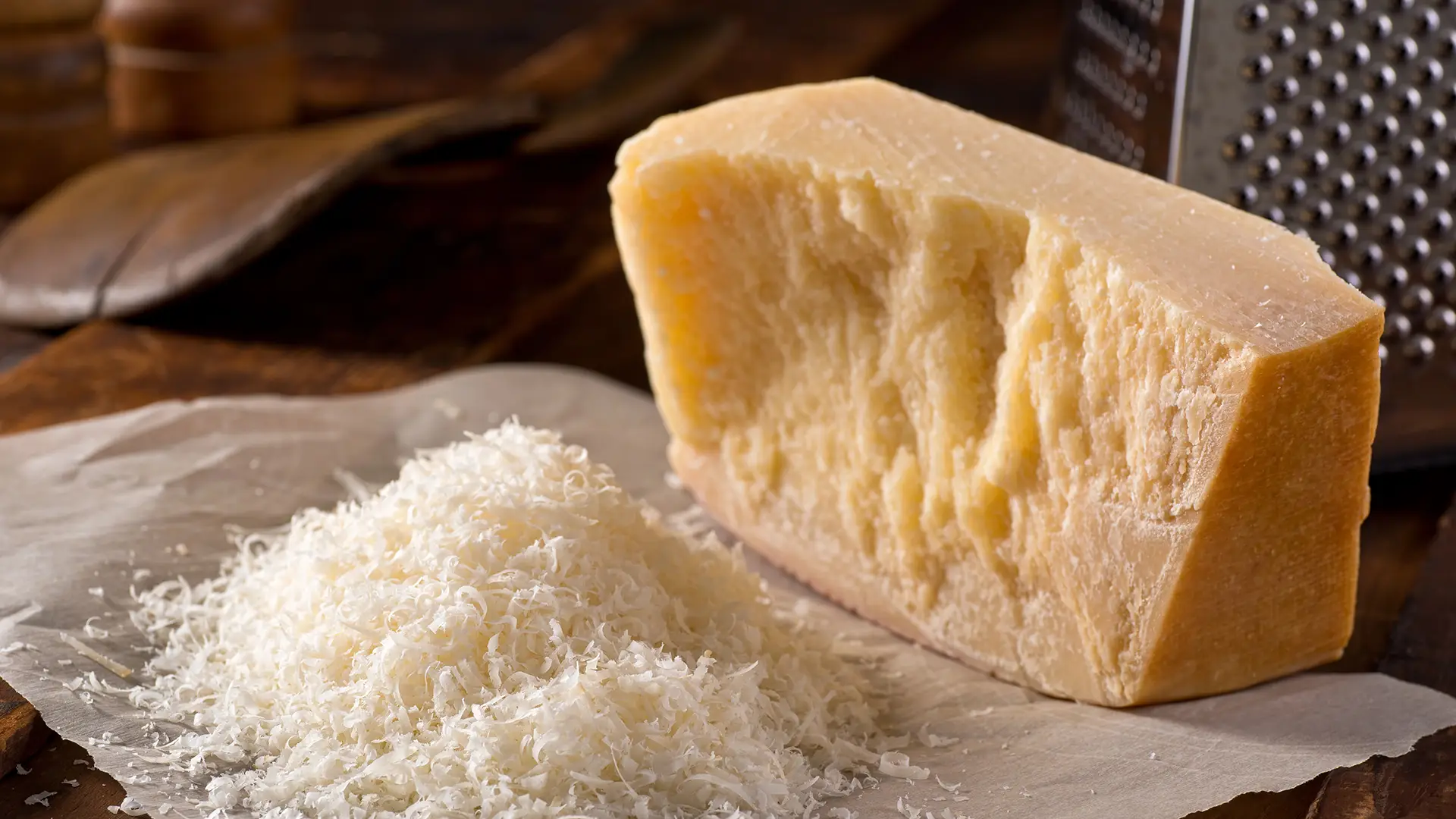
Italian cheeses: authentic flavors and artisanal tradition
Italian cheeses are pillars of Mediterranean gastronomy, celebrated for their diversity and centuries-old craftsmanship. Ranging from mild and delicate to bold and intense, they enhance Italian dishes with creamy textures and unparalleled flavors. At PACINI, we proudly showcase these cheese treasures in our authentic recipes, offering a true immersion into the art of Italian cuisine.
A rich and diverse cheese heritage
Italy is a land of cheese-making tradition, where every region produces cheeses with unique characteristics. Through techniques passed down from generation to generation, Italian artisans create cheeses with unmistakable flavor profiles. Whether fresh, aged, hard, or blue-veined, these cheeses play a central role in Italian cooking—served as accompaniments, essential ingredients, or the stars of tasting boards.
Iconic Italian cheeses
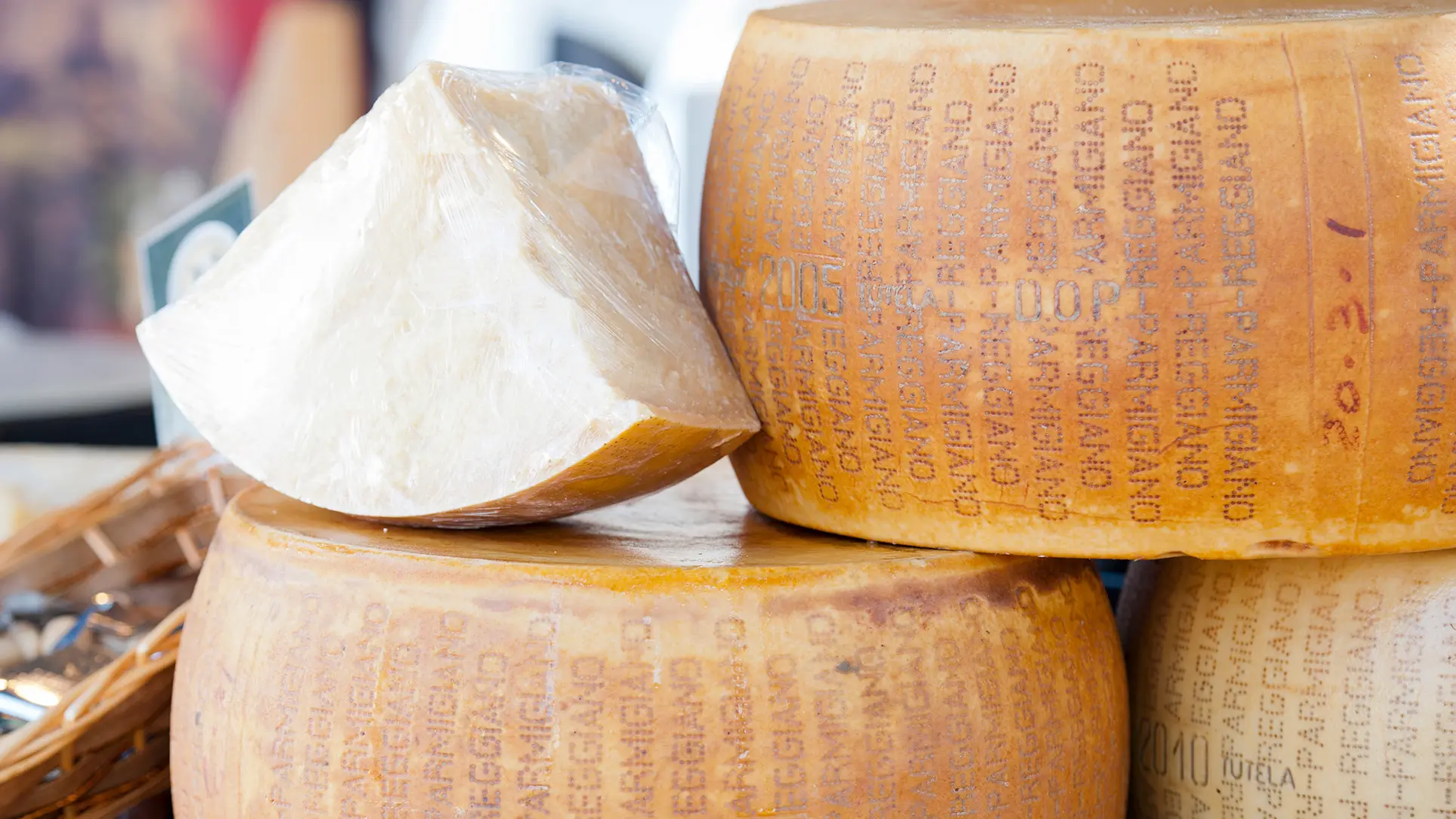
Parmigiano Reggiano: the king of cheeses
Parmigiano Reggiano—often referred to as “Parmesan”—is one of Italy’s most renowned cheeses. Aged between 12 and 36 months, it develops rich nutty aromas and a granular texture that makes it ideal for grating over pasta, risottos, and salads.
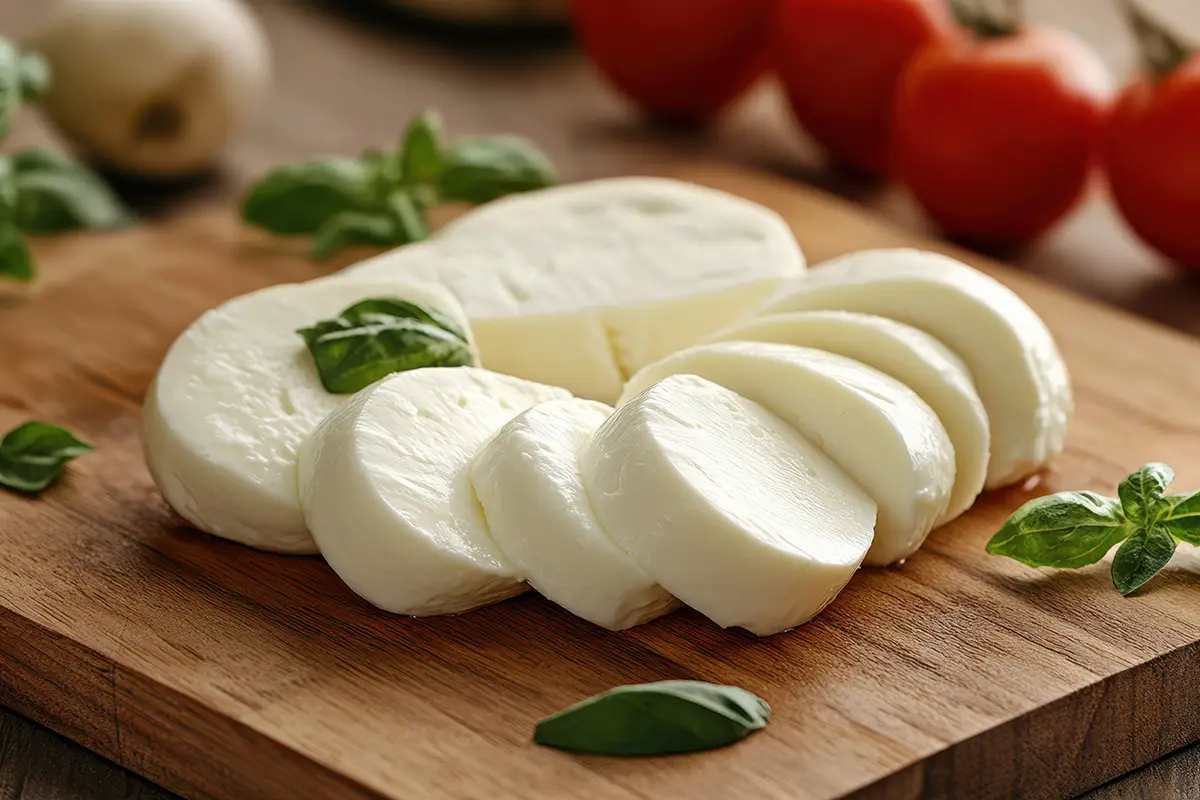
Mozzarella Fior di Latte: the pizza essential
Mozzarella Fior di Latte, made from cow’s milk, is a fresh, delicate cheese that melts beautifully. It is indispensable on pizzas such as the Margherita and in classic dishes like Caprese salad. Its soft, milky texture makes it a cornerstone of Italian cuisine.
Burrata: a burst of creaminess
Originally from Puglia, burrata is a variation of mozzarella with a luscious, creamy center. Its delicate flavor and melt-in-your-mouth texture make it a true indulgence—perfect for antipasti or paired with tomatoes and fresh basil.
Gorgonzola: Italy’s bold blue cheese
Gorgonzola is a blue-veined cheese with a creamy texture and powerful flavor. It can be enjoyed on its own with bread or melted into dishes such as gorgonzola and walnut risotto.
Ricotta: lightness and delicacy
Ricotta is a fresh, light cheese commonly used in sweet creations such as Sicilian cannoli, as well as in savory dishes like ricotta and spinach lasagna.
Asiago: perfect balance
A cow’s milk cheese from Northern Italy, Asiago offers a smooth texture and a subtly fruity flavor. It is often grated over pasta dishes or enjoyed in slices in gourmet sandwiches.
Pecorino Romano: bold sheep’s milk flavor
Aged for several months, Pecorino Romano is a hard cheese with a salty, robust taste—perfect for enhancing classic dishes such as cacio e pepe.
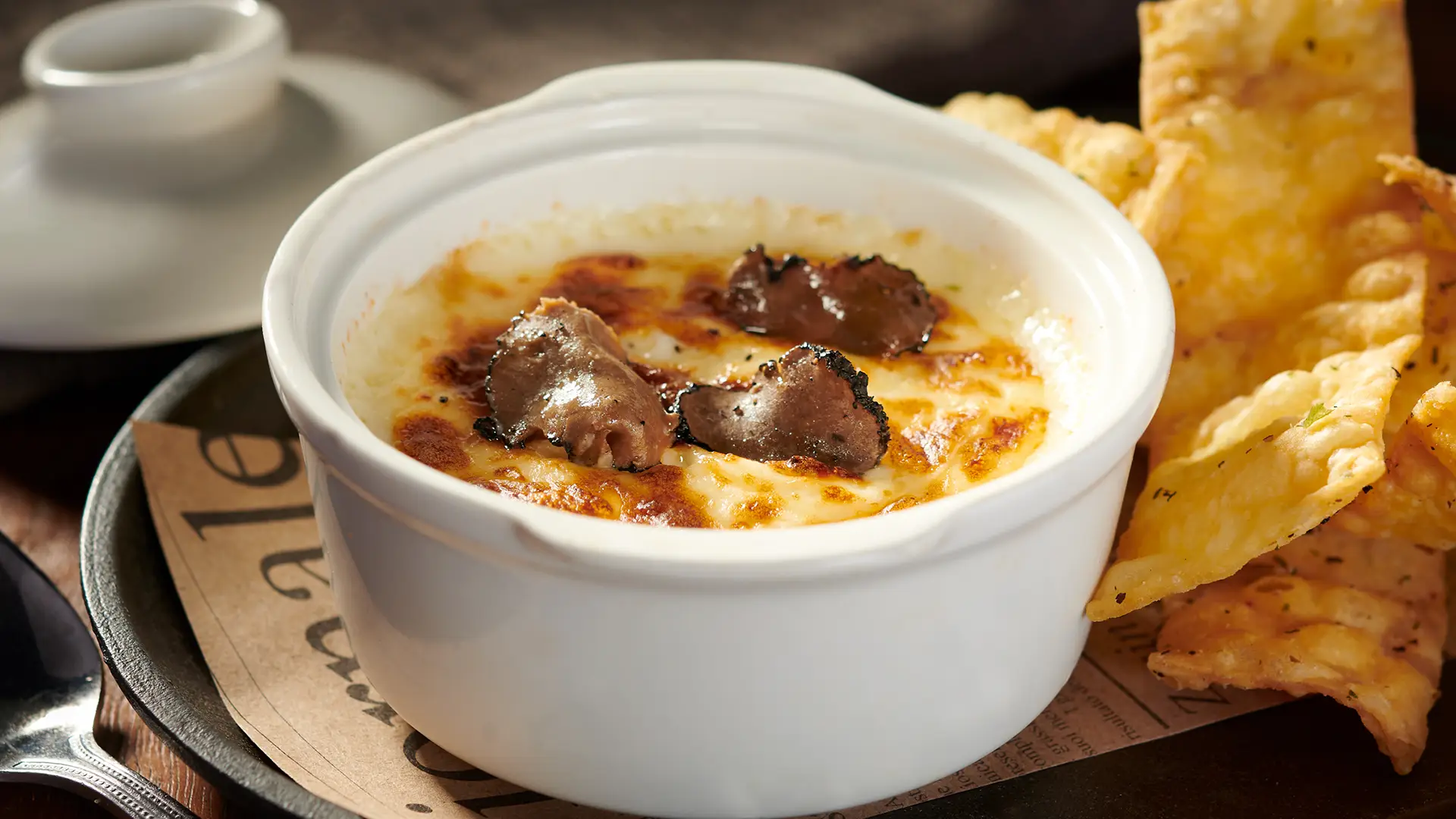
Discover Italian cheeses at PACINI
At PACINI, we incorporate iconic Italian cheeses into our traditional recipes to deliver an authentic tasting experience:
- Parmigiano Reggiano: featured in our Parmigiana fries, adding a savory and crispy finish.
- Mozzafila™: the star of pizzas such as the Capricciosa e Mozzafila™.
- Asiago: bringing rich creaminess and depth to our dishes.
- Ricotta: the heart of our Ravioli Salsa Rosa, offering incomparable smoothness.
- Gorgonzola: blended into sauces to elevate pasta dishes and risottos.
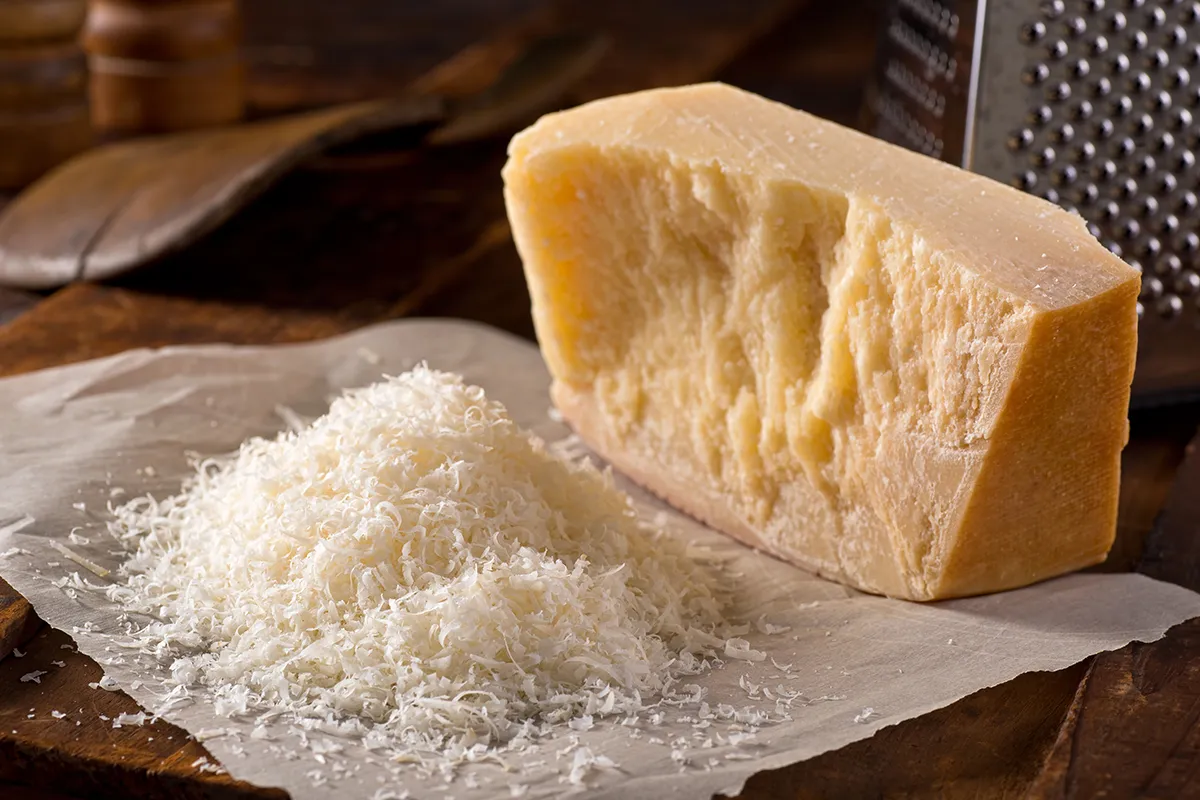
Parmigiano Reggiano: Italy’s aged gold at PACINI
Aged up to 36 months, with a granular texture and a rich, slightly fruity flavor, Parmigiano Reggiano enhances our dishes with intensity and refinement.
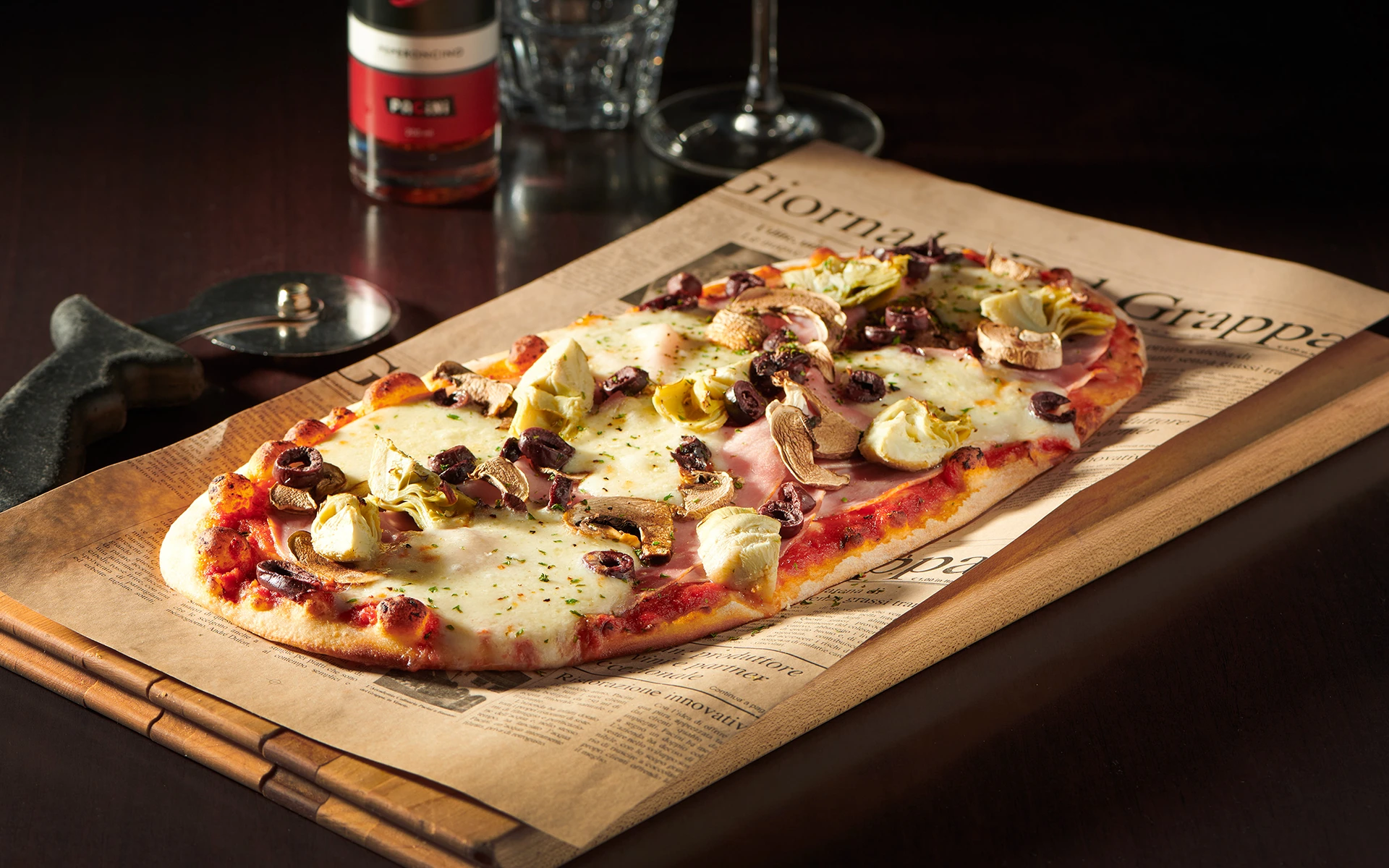
An unforgettable culinary experience
Italian cheeses are far more than simple ingredients—they are an invitation to discover the deep flavors and traditions of Italy. At PACINI, we highlight them to offer authentic, flavorful cuisine that honors the culinary heritage of the Italian peninsula.
Discover Italian cheeses at PACINI
With a selection of dishes that showcase these exceptional cheeses, PACINI invites you to savor the authenticity of Italian cheese-making traditions. Whether on a pizza, in a risotto, or as a gourmet starter, every bite transports you to Italy.
Tips for enjoying Italian cheeses
- Pair them with Italian wine: a Chianti pairs beautifully with Parmesan, while a Moscato highlights the delicate sweetness of ricotta.
- Serve at room temperature: this allows their aromas to fully develop.
- Experiment in the kitchen: add pecorino to your pasta, burrata to a salad, or gorgonzola to a risotto.